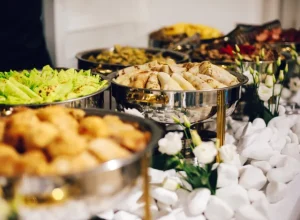

Indian spices have long held a significant place in culinary and economic history, shaping global trade routes and cuisines for centuries. These aromatic and flavorful ingredients, integral to the rich varieties of Indian cooking, have a story that spans millennia. Let’s journey through the history of Indian spices, from their ancient origins to their contemporary uses in modern kitchens around the world.
Ancient Origins and Early Uses
The history of Indian spices dates back to the Indus Valley Civilization, where spices were used for their culinary and medicinal properties. The Rig Veda, composed around 6000 BC, provides the earliest written records of spices in India, mentioning several that are still integral to Indian cooking today. Ancient Sanskrit texts, such as the Vedas, document the medicinal and culinary applications of spices, indicating their deep-rooted importance in Indian culture.
Spices were not only culinary enhancers but also played a crucial role in traditional medicine, particularly Ayurveda. Turmeric, with its vibrant yellow hue, was valued for its anti-inflammatory properties, while ginger was celebrated for its digestive benefits. These early uses underline the dual role of spices in both nourishment and healing.
Spices and Trade: The Spice Routes
As demand for Indian spices grew, so did their influence on global trade. By 2000 BCE, trade networks had been established, connecting India with Mesopotamia, Egypt, and later, the Roman Empire. The ancient spice routes, often perilous and lengthy, were instrumental in the exchange of goods, ideas, and cultures.
Pepper, often referred to as “black gold,” was one of the most sought-after commodities. The Malabar Coast, known for its peppercorns, became a bustling hub for spice trade. Merchants from Arabia, China, and Europe flocked to Indian ports, leading to a significant exchange of not only spices but also knowledge and technology.
Mediaeval Period: The Age of Exploration
The Middle Ages saw the rise of powerful trading empires and a heightened interest in spices. The quest for direct access to Indian spices drove European explorers like Vasco da Gama to seek new maritime routes. In 1498, Vasco da Gama’s arrival in Calicut (Kozhikode) marked the beginning of the European colonial era in India.
The Portuguese, followed by the Dutch, British, and French, established trading posts and colonies to control the lucrative spice trade. Spices like cardamom, cloves, and nutmeg became highly prized in European markets, fetching exorbitant prices and influencing culinary practices across the continent.
The Colonial Era and the Spice Trade Monopoly
During the colonial period, European powers vied for dominance over the spice trade. The British East India Company emerged as a formidable force, establishing monopolies over key spices. This era saw the commercialization and commodification of spices, often at the expense of local economies and traditional practices. The British East India Company eventually monopolised spice production and trade routes, introducing large-scale spice plantations in regions like Kerala and Karnataka.
Despite the exploitative nature of colonial rule, Indian spices continued to be celebrated for their versatility and flavour. The British, in particular, adopted and adapted Indian culinary practices, giving rise to dishes like curry, which became a staple in British cuisine.
Post-Independence and the Global Spread
After gaining independence in 1947, India regained control over its spice trade. The country embarked on modernising agricultural practices and improving spice production. The establishment of institutions like the Spices Board of India helped promote Indian spices globally.
Today, India remains the world’s largest producer and exporter of spices. Indian cuisine, with its diverse use of spices, has gained international acclaim, influencing global culinary trends. The diaspora has played a significant role in popularising Indian spices, with dishes like chicken tikka masala, biryani, and masala chai becoming global favourites.
Modern Kitchens and the Legacy of Indian Spices
In contemporary kitchens, Indian spices are indispensable. Chefs and home cooks alike experiment with traditional spice blends like garam masala and innovative uses of individual spices. The health benefits of spices are also being rediscovered, with turmeric lattes and ginger-infused wellness shots gaining popularity.
The legacy of Indian spices is a testament to their enduring appeal and versatility. From ancient Ayurvedic practices to modern culinary fusions, Indian spices continue to enrich our palates and enhance our well-being. The Indian spice market is characterised by diversity and innovation, with spices like red chillies, cardamom, and turmeric being used in kitchens and markets globally.
Conclusion
The history of Indian spices is a fascinating journey through time, reflecting the cultural, economic, and culinary transformations that have shaped the world. As we savour the complex flavours and aromas of Indian spices, we are reminded of their storied past and their continued significance in kitchens around the globe. Whether in a traditional curry or a contemporary fusion dish, the essence of Indian spices remains timeless and universal. These spices are not only valued for their taste but also for their health benefits, playing a significant role in traditional medicine systems like Ayurveda.
This blog post offers a glimpse into the fascinating journey of Indian spices from ancient times to modern kitchens. It highlights the importance of spices in shaping India’s history and their continued significance in today’s culinary landscape. Whether you are a history buff, a food enthusiast, or simply curious, the story of Indian spices is sure to spice up your knowledge palette.